
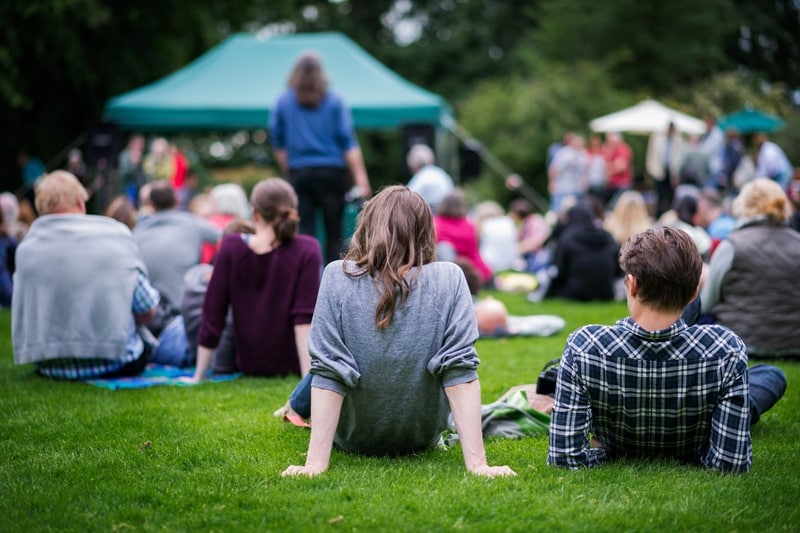

Nobody talks about the events they attended where everything was perfectly adequate. They talk about the ones where something unexpected happened, where they laughed at something they did not see coming, or where the combination of location, activity, and atmosphere created a moment that stuck with them. Outdoor entertainment is the category most capable of producing those moments, and it is also the category most likely to fall flat when it is approached without enough thought. If you are planning outdoor entertainment for a family fun day, a community event, or any occasion where people are gathering outside, understanding what actually makes it work is worth more than any list of activity options.
The Biggest Mistake Most Organisers Make
The instinct when planning outdoor entertainment is to fill the schedule. Activities from arrival to finish, no gaps, maximum variety. In practice, events that try to pack in too much often end up feeling frantic and exhausting rather than enjoyable. People do not want to be herded from one activity to the next. They want space to choose what they do, time to actually enjoy it, and enough breathing room to have conversations and simply be in the moment.
The best outdoor events have a clear structure but generous space within it. A central activity or two that create energy and draw people in, combined with options that suit different ages, energy levels, and preferences. Not everything needs to be organised. Informal space, good food, and comfortable seating do more for the atmosphere of an event than an overstuffed programme.
What the Current Events Landscape Is Telling Us
The corporate and community events industry has been very clear about the direction things are moving. Wellness, inclusivity, and genuine engagement have moved from aspiration to expectation. Events that are purely spectacle, where people watch rather than participate, are losing ground to experiences where guests of all ages and abilities can actually get involved at their own level.
It’s no surprise that festival-style formats have become some of the most popular formats for outdoor events in 2026.
Multiple activity zones, food and drink options, casual socialising areas, and a relaxed atmosphere that allows people to move freely and choose their own experience creates something that suits a wide range of guests without forcing everyone into the same activity at the same time.
Activities That Consistently Land Well
Classic fairground games, inflatable attractions, and interactive challenges are reliable choices for good reasons. They are accessible to a wide age range, they generate natural laughter and light-hearted competition, and they create the kind of energy that brings an outdoor space to life. The key is choosing a provider who brings quality equipment and experienced operators, not the cheapest option available.
Catering deserves more planning attention than it usually gets. Food is not a logistical detail to sort out last. It is one of the primary things people remember about an event. Street food formats, with variety and quality, work better at outdoor events than formal catering in almost every context.
Weather: Plan for Britain
This is not a minor logistical footnote. It is the central practical challenge of any outdoor event in the UK, and the organisers who handle it best are the ones who plan for weather as a default rather than as an unfortunate possibility. Covered areas, contingency layouts, and activities that work equally well in sunshine and overcast conditions are not optional extras. They are the difference between an event that delivers regardless of what the sky does and one that becomes a damp, apologetic experience that nobody particularly wanted to be at.
The Closing Thought
Great outdoor entertainment is not about the quantity of activities. It is about creating an atmosphere where people feel comfortable, engaged, and glad they came. That takes thought, quality suppliers, and a willingness to prioritise experience over programme density. Get those things right and the event takes care of itself.