

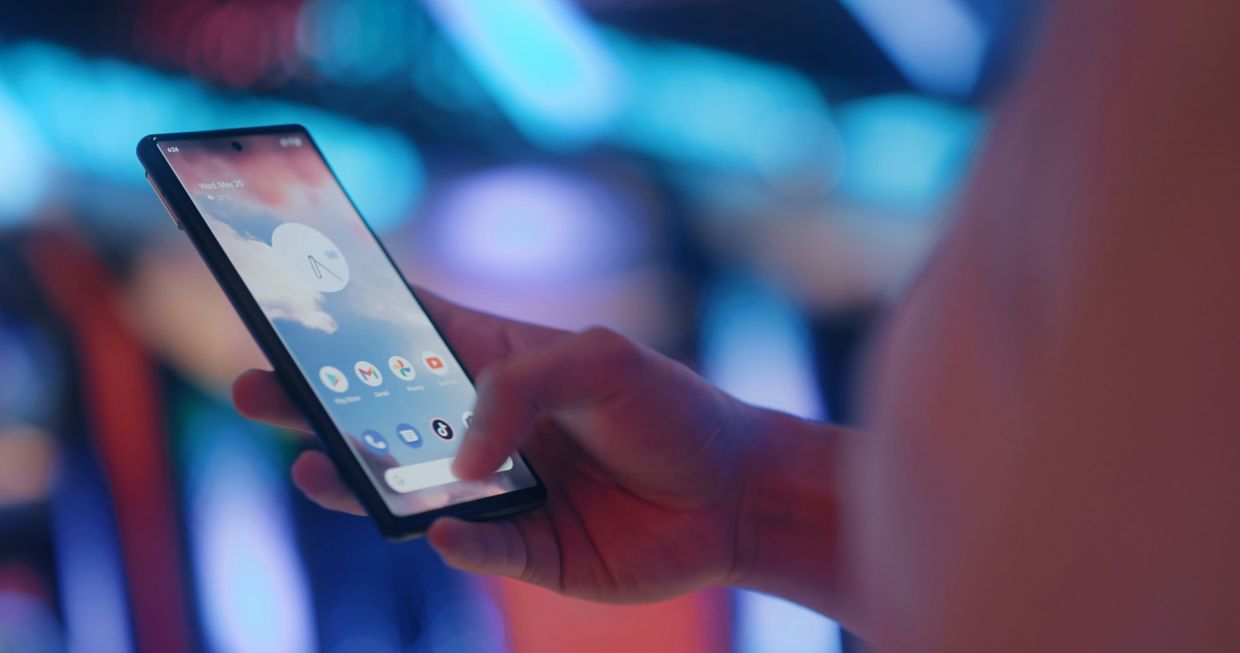

The iPhone is soon to be 18 — it was released on June 29, 2007 — and it’s hard to think of anything, or perhaps even anyone, who has had such a seismic influence on the planet in such a small amount of time.
The smartphone changed everything, including how we communicate, how we work, how we stay fit, and how we manage our personal affairs and health. And yes, also the gaming industry, which is radically different today than it was before Steve Jobs and friends launched that game-changing device. Indeed, you might even argue that it was the invention of the smartphone that really allowed the gaming industry to reach its full potential, as we’ll see below.

Expanding the Gaming Market
There are, at last count, some 3.2 billion gamers on the planet. That means that around 40% of the world’s population is playing games, and with the number of gamers increasing by 0.4 billion each year, the popularity of gaming shows no signs of slowing down.
And of course, these astronomical figures simply wouldn’t be possible if it were not for the smartphone. 77% of all gamers play mobile games, with some 44% saying they only play mobile games, not video console games. This immense popularity has helped to make the gaming industry extremely profitable; today, it’s worth some $500 billion, which is more than the music and movie industries combined.
Reimagining Classic Games
The smartphone hasn’t just led to the development of a new game genre (mobile games); it’s also helped to breathe new life into classic games. Today, many people who play slots, chess, Go, and other classic games do so on their mobile devices, and that’s thanks, in part, to the development of HTML5 technology, which ensures that these old-school games work just as well on mobile as they do on other devices. It brought them into the modern era, and while these historic games would have lived on in some form or another regardless of whether the smartphone had been invented, there’s no denying that its invention allowed the games to evolve — and also opened up the games to entirely new audiences.
Supported Game Development
In the past, it was only the major video game studios that could bring a game to market. Mobile gaming changed all that, allowing indie developers to get their creations out to the public in ways that would have been impossible in the past. Games like Désiré, OPUS: Rocket Of Whispers, and Mars: Mars show just how creative and talented independent game developers can be — and we simply wouldn’t have known about them if it wasn’t for the smartphone.

Boosted Short-Session Popularity
To gamers of a certain age, the idea of sitting down to play a game for ten minutes would seem strange, since video game console playing sessions tend to last an hour or more. Mobile games allowed for short playing sessions, whereby a player could get some gametime under their belt even if they only had 15 minutes. Indeed, take a look around at fellow passengers on a bus or train journey, and you’ll invariably see a sizable percentage playing one of the trending hyper casual games.
Sharing and Community
Finally, mobile gaming’s internet connectivity has helped with the development of gaming culture and community. Many games offer multiplayer modes that enable players to compete against distant friends and family (or even strangers), and also include social media integration that shares their achievements with the online world. While mobile gaming isn’t treated as much of an art form as console gaming, these touches and others show that, above all, mobile gaming is fun and accessible to all.