

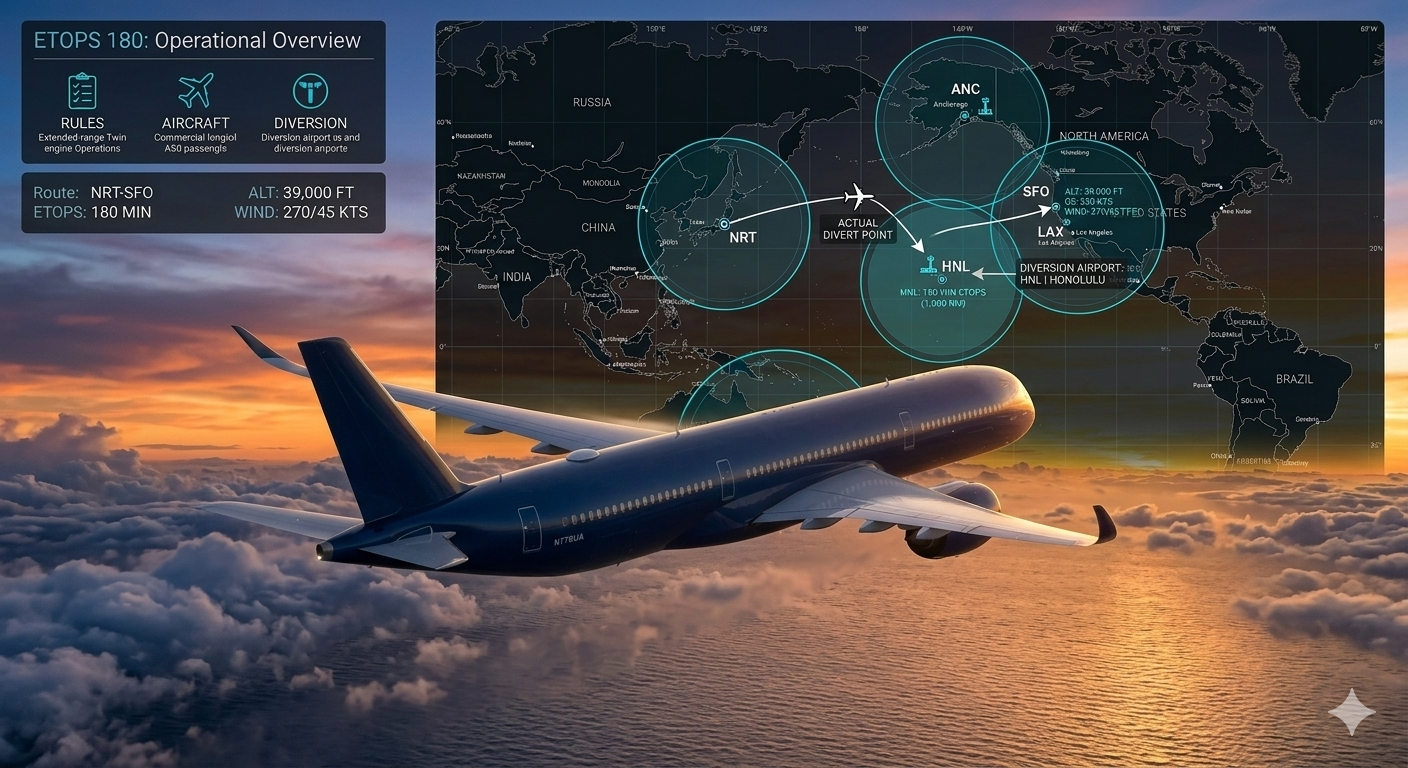

Introduction
Flight diversions are uncommon but not unusual in modern aviation. Occasionally, passengers may notice that their flight suddenly changes course or lands at an unexpected airport. When this happens, it is known as a flight diversion.
Understanding why flights get diverted helps explain how airlines prioritize passenger safety and operational reliability during unexpected situations.
Although diversions can disrupt travel plans, they are usually precautionary decisions made by pilots and airline operations teams to ensure that flights continue safely.
Airlines and aviation authorities have strict procedures in place for handling unexpected situations during flight. These procedures ensure that if a problem arises, the aircraft can land at the most suitable airport as quickly and safely as possible.
What Is a Flight Diversion?
A flight diversion occurs when an aircraft lands at an airport that was not part of its original flight plan.
Instead of continuing to the scheduled destination, pilots decide to land at another airport that is safer or more practical under the circumstances.
Diversions are carefully coordinated between several parties, including:
- The flight crew
- Airline operations control centers
- Air traffic controllers
- Airport authorities
Pilots evaluate the situation and determine which airport offers the safest landing option.
In many cases, passengers may not notice the problem until the aircraft begins descending toward an unexpected airport.
Mechanical or Technical Issues
One of the most common reasons flights get diverted is a technical issue with the aircraft.
Modern aircraft are extremely reliable, but if a system warning appears or a component behaves abnormally, pilots may decide to divert the flight so engineers can inspect the aircraft.
Examples of technical issues that can lead to a diversion include:
- Engine warning alerts
- Hydraulic system problems
- Electrical system faults
- Navigation equipment failures
- Cabin pressurization warnings
Even if the aircraft remains safe to fly, aviation procedures often require pilots to land at the nearest suitable airport so maintenance teams can evaluate the issue.
This precaution helps prevent small technical problems from becoming larger safety concerns.
Medical Emergencies on Board
Another common reason flights get diverted is a medical emergency involving a passenger or crew member.
Commercial aircraft carry basic medical equipment, and cabin crew are trained to handle many in-flight medical situations. However, serious cases sometimes require urgent medical care on the ground.
Examples of medical situations that may lead to a diversion include:
- Heart attacks
- severe allergic reactions
- breathing difficulties
- serious injuries
- loss of consciousness
In these cases, pilots may divert the aircraft to the nearest airport where emergency medical teams can assist the passenger.
Passenger health and safety always take priority over the original flight schedule.
Severe Weather Conditions
Weather can change rapidly during a flight, and severe weather conditions are another major reason flights get diverted.
Airlines carefully monitor weather forecasts before and during flights. If the destination airport experiences dangerous weather conditions, pilots may choose to land at an alternate airport.
Examples of weather conditions that can cause diversions include:
- Severe thunderstorms
- Strong crosswinds
- Heavy snowfall
- low visibility from fog
- tropical storms or hurricanes
When weather conditions make landing unsafe, air traffic controllers and pilots work together to guide aircraft to alternate airports where conditions are safer.
Airport or Air Traffic Problems
Sometimes diversions occur because of unexpected issues at the destination airport.
Airports are complex environments, and various operational problems can prevent an aircraft from landing as planned.
Examples include:
- Runway closures due to accidents or debris
- airport security incidents
- congestion in busy airspace
- air traffic control system issues
In these situations, pilots may land at a nearby airport until the problem is resolved.
Once conditions improve, passengers are usually transported to their original destination.
Fuel or Operational Considerations
Although rare, operational factors such as fuel planning can also lead to flight diversions.
If weather conditions or air traffic delays cause a flight to use more fuel than expected, pilots may divert to ensure the aircraft maintains safe fuel reserves.
Aviation regulations require aircraft to carry enough fuel to reach an alternate airport if necessary.
Maintaining these fuel safety margins is an essential part of airline operations.
How Airlines Manage Flight Diversions
When a diversion occurs, airline operations teams immediately begin working on passenger arrangements.
Airlines typically provide support such as:
- Rebooking passengers on other flights
- arranging hotel accommodations if delays are overnight
- providing meals or vouchers
- assisting with baggage and connections
Although diversions can cause delays, airlines try to minimize disruption and help passengers reach their final destination as quickly as possible. A recent aviation incident occurred when Delta Flight DL275 diverted LAX after a technical issue was detected during its Detroit-to-Tokyo route.
Why Flight Diversions Are Part of Aviation Safety
Flight diversions may seem inconvenient, but they are an important part of modern aviation safety systems.
Commercial aviation operates under strict safety guidelines designed to reduce risk whenever unusual situations occur.
Pilots receive extensive training on how to evaluate in-flight problems and choose the safest course of action.
In many cases, diversions happen simply because safety procedures require caution when unexpected conditions appear.
The decision to divert a flight demonstrates how airlines prioritize passenger safety above all else.
Final Thoughts
Understanding why flights get diverted helps passengers see how the aviation industry maintains its exceptional safety record.
Diversions can occur for many reasons, including technical issues, medical emergencies, weather conditions, or operational problems at airports.
Although diversions may cause delays or inconvenience, they are usually precautionary decisions made to ensure that passengers and crew remain safe.
In modern aviation, safety always comes first—even if that means landing at a different airport than originally planned.