
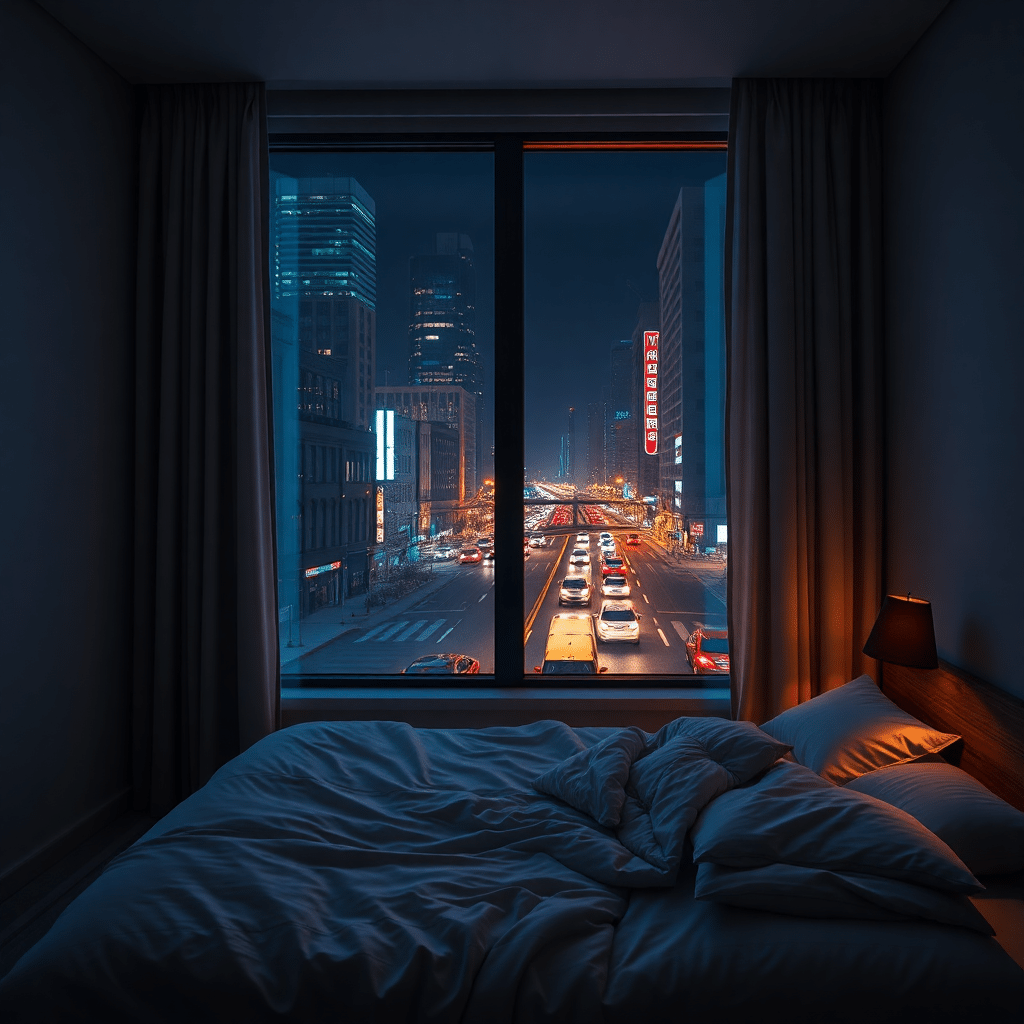

Urban noise does not politely stop at midnight. Traffic runs at 2am. Sirens cut through at 3. A neighbor’s door slams at 4:15 and that is it, the night is gone. For anyone living near a main road or in dense housing, this is not an occasional problem.
The damage goes further than tiredness. Concentration drops. Mood follows. Even simple routines feel heavier when sleep stays shallow for weeks. The bedroom itself is the first place to address, and the changes that help most are neither expensive nor complicated.
How Street Noise Disrupts Sleep Cycles in UK Cities
Around 40 decibels is enough for the sleeping brain to start registering external sound, even without full waking. Most UK city residential streets exceed it regularly after midnight. Traffic, a siren three streets away, a motorbike at a junction. None of these need to be loud enough to wake you fully to cause damage.
Sleep cycles run in roughly 90-minute loops: light sleep, deep sleep, REM. A sudden noise during deep sleep does not always cause waking. It causes a shift upward into lighter sleep, and the cycle restarts. Do that four or five times a night and the morning feels like the sleep never happened.
Not surprising. Screens can be switched off. The A57 cannot.
Immediate Low-Cost Methods to Reduce Bedroom Noise Exposure
Gaps first. Around window frames, along door edges, where skirting boards meet old plasterwork. Acoustic caulk and foam weatherstripping cost under £20 for a full room and block a meaningful amount of outside sound. Most people never check these. The noise has been entering through the same centimetre-wide gap for years.
Curtains matter more than their price suggests. Not standard curtains. Thermal-backed drapes with dense interlining absorb high-frequency traffic sound rather than letting it bounce off glass into the room. Floor-to-ceiling coverage makes a measurable acoustic difference compared with curtains that stop at the windowsill.
Steady background sound helps with what gets through anyway. A white noise machine at a steady low level can mask intermittent peaks, a lorry braking, a car alarm, a shout from the street. The brain stops registering each one as a separate event. Sleep stays deeper. Choosing the right materials matters here. For urban bedrooms where noise already makes rest harder, Bed Store gives sleepers a practical way to compare bed frames, mattress feel and upholstered options in person. A furnished bedroom is acoustically softer than an empty one.
Why Bed Placement Matters for Noise Reduction
External walls carry vibration. A bed pressed against one sits inside the noise path rather than away from it. Traffic sound travels through brick and plasterboard efficiently, reaching the mattress directly. Moving the bed to an interior wall, even by a metre or two, interposes air, insulation, and furniture between the sleeper and the source.
A quality mattress reduces how much of that vibration registers. Pocket-sprung and memory foam constructions absorb movement differently than open-coil systems. They dampen the micro-disturbances from external vibration and reduce how much a partner turning over pulls a light sleeper upward through sleep stages.
Bed away from the window. Bed away from the external wall. Combined with the right mattress construction, the difference can be felt within the first week. Bedroom layout is not an afterthought in a noisy postcode.
When Secondary Glazing or Acoustic Window Upgrades Make Sense
Caulk and curtains handle moderate noise. Above a certain level, the glass itself becomes the problem. Secondary glazing fits an additional pane inside the existing frame, often without changing the outside appearance of the building. Noise reduction is substantial. Cost is a fraction of full window replacement.
Where replacement is possible, acoustic laminated glass in modern double-glazed units reduces traffic noise across a wider frequency range than standard double glazing. The difference in a busy postcode can be immediate and obvious.
Some local support schemes change by year and postcode, so it is worth checking council information before committing to full expenditure. Acoustic upgrades also add property value, which changes how owners calculate the cost.
Long-Term Sleep Environment Changes Beyond Noise Control
Noise reduction works best alongside other changes. Bedroom temperature between 16 and 18 degrees Celsius can support deeper, less interrupted sleep, even when outside noise is still present. Blackout blinds block street light and add another layer of acoustic mass simultaneously. Neither costs much. Both reinforce everything else.
Mattress age cuts sleep quality even in a well-treated room. Past seven to ten years, support structure degrades and hygiene drops. An old mattress in a quiet room still produces poor sleep. Memory foam and orthopaedic options reduce joint pressure and minimise disturbance when turning over. If you have been searching for a bed shop near me, bed stores near me or mattress stores near me, testing in person gives a more reliable match for weight, sleep position and firmness preference.
No single change fixes everything. Seal the gaps. Hang proper curtains. Move the bed off the external wall. Add soft surfaces. Run white noise. Check the room every few months. Each step compounds the last, and together they reduce the number of active sleep disruptors instead of relying on one fix to do everything.
Broken sleep caused by street noise does not fix overnight. The best results usually come from several small changes working together: sealed gaps, heavier curtains, better bed placement, softer furnishings and a mattress that supports the body properly. The room starts to feel calmer once the outside noise has fewer ways to dominate it.