
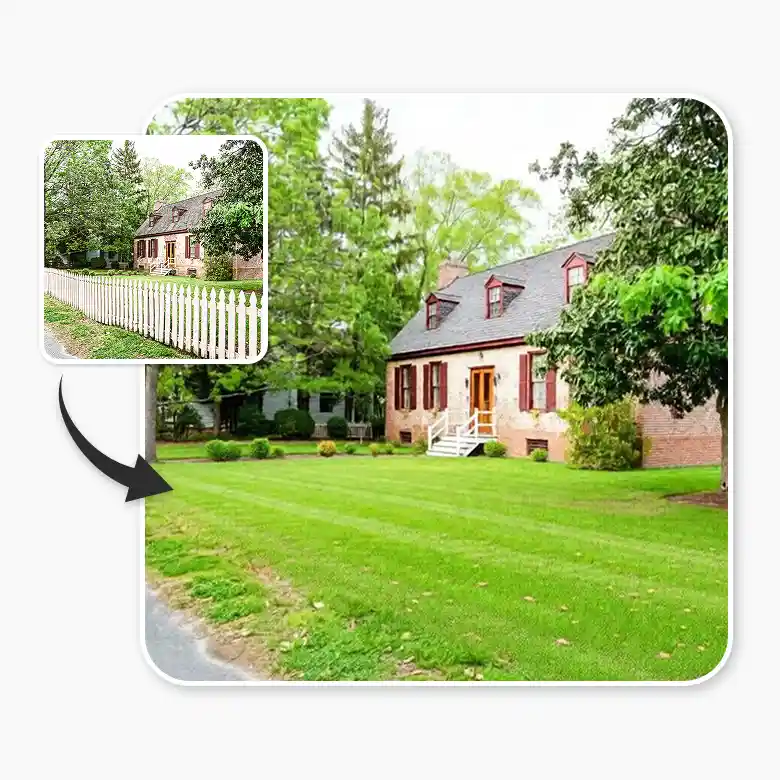

Film fans love collecting images: a candid shot outside a studio lot, a premiere photo taken from behind a barrier, or a still grabbed from a favourite scene. The problem is that many of these pictures come with an unwanted extra layer. Chain-link fences, crowd barriers and metal railings often stand between the camera and the subject.
Learning how to remove a fence from a photo has become much easier thanks to AI image editing. What once took hours of careful cloning in Photoshop can now be done in minutes, and the results are often good enough to share or print.
Why Fences Ruin So Many Movie Fan Photos
Most fan photography happens in places where access is limited. Location shoots are usually fenced off, red carpet events use barriers, and studio tours keep visitors behind railings for safety.
The result is a familiar frustration. The actor, prop or set piece you wanted is clearly visible, but a grid of wire cuts across the whole frame. Even phone cameras with excellent sensors cannot simply look through a fence when it sits close to the lens.
How AI Fence Removal Actually Works
Modern tools rely on two technologies working together. First, a segmentation model detects the thin, repeating pattern of the fence and separates it from the background. Second, an inpainting model fills in the gaps, predicting what the hidden pixels should look like.
This is the same family of techniques behind Google Photos’ Magic Eraser, Adobe’s Generative Fill and Samsung’s object eraser. Because fences follow a regular pattern, they are actually a good match for AI detection, which is why dedicated fence removal features have appeared in many browser-based editors.
Cleaning Up Behind-the-Scenes and Set Visit Photos
Behind-the-scenes images are some of the most shared content among film communities. A blurry fence in the foreground, however, can make a great moment look amateur.
If you want to try this yourself, a free online tool to remove fence from photo images can handle the detection and fill-in automatically, which is useful when you have a batch of set visit pictures to tidy up. For best results, upload the highest resolution version you have and check fine details like hair, text on signs and costume edges after processing.
Tips for Better Results With Movie Stills and Screenshots
Not every image is equally easy to fix. A few habits make a real difference:
- Shoot with the lens pressed close to the fence, which blurs the wire and makes removal cleaner.
- Use a wide aperture or portrait mode to soften foreground obstacles.
- Avoid heavily compressed screenshots, since compression artefacts confuse AI models.
- Zoom in after editing to spot repeated textures or smudged faces.
Screenshots taken from streaming apps can also suffer from overlays, subtitles or watermarks. The same inpainting principles apply, but be careful to keep the image honest about its source.
The Ethics of Editing Film Images
Removing a fence is a cosmetic fix, but it still changes reality. If you share a cleaned-up set photo, it is good practice to mention that it was edited, especially in fan communities where leaked or early images are scrutinised closely.
Copyright matters too. Movie stills and screenshots belong to studios and distributors, so editing them for personal use or commentary is very different from reusing them commercially.
Where Photo Editing Technology Is Heading
Film production itself now uses similar AI tools. Visual effects teams routinely remove rigs, wires and safety barriers from shots, a process known in the industry as paint and roto work. Software such as Nuke, After Effects and DaVinci Resolve increasingly includes AI-assisted cleanup.
As these capabilities filter down to consumer apps, the gap between professional and amateur image cleanup keeps shrinking. Expect video fence removal and real-time cleanup on phones to become common in the next few years.
Conclusion
Fences, barriers and railings have spoiled countless fan photos of film sets, premieres and studio tours. Today, AI segmentation and inpainting make it simple to remove a fence from a photo and recover the moment you actually wanted to capture.
Start with a high-quality image, check the details after editing, and be transparent when sharing altered pictures. Used thoughtfully, these tools help film fans present their memories clearly while respecting the work and rights of the people who make the movies.