
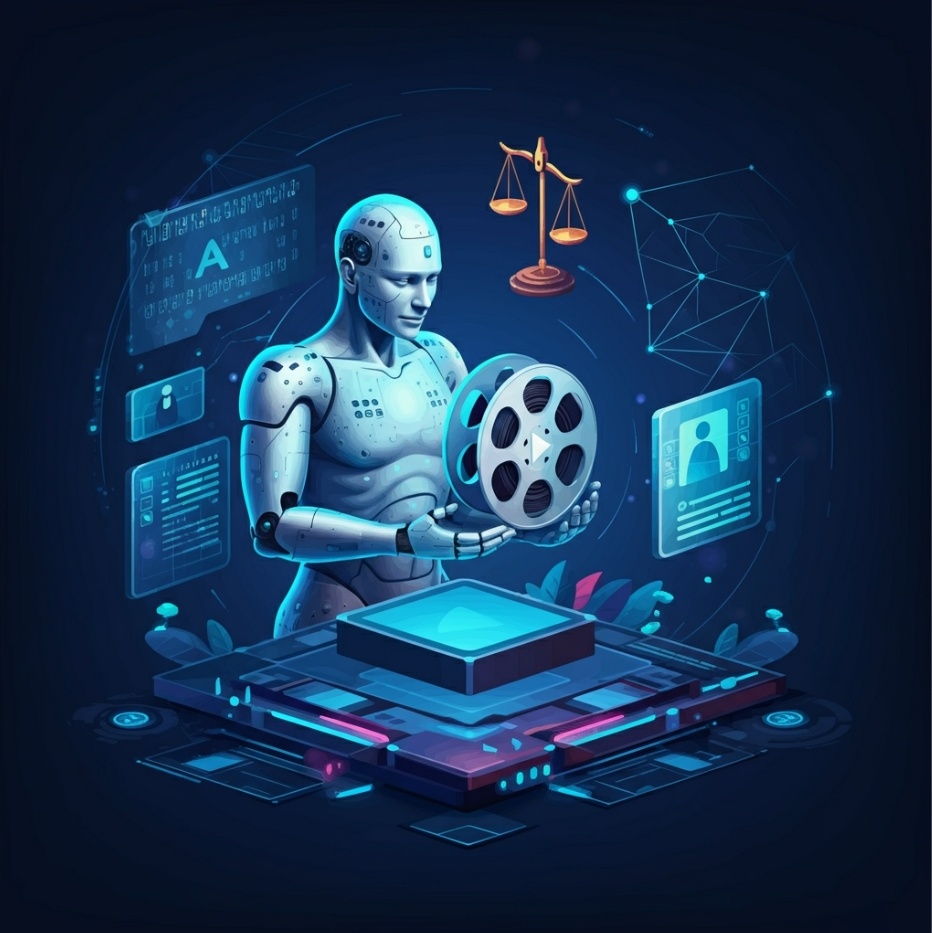

The rise of artificial intelligence in content creation has been rapid and groundbreaking. AI-powered platforms now enable creators to generate realistic videos with minimal effort and time. With tools like an AI Video Generator, producing polished, professional videos has never been more accessible. While the technology promises unparalleled convenience and creative possibilities, it also raises pressing ethical questions.
This article will examine the ethical considerations surrounding AI-generated content on video platforms. From concerns about originality and copyright to questions about misinformation and societal effects, understanding these issues is crucial in shaping the responsible use of AI in digital media.
Authenticity and Trust
One of the most debated aspects of AI-generated videos is their authenticity. These tools can create hyper-realistic avatars, deep fake videos, and entirely fabricated content that’s indistinguishable from reality. While this presents exciting opportunities for creative storytelling, it also raises concerns about how audiences perceive what they see online.
For instance, how can viewers trust the validity of a video if it might have been entirely produced by AI? Striking a balance between creative freedom and viewer transparency is essential. Video platforms may need to implement clear labeling systems to distinguish AI-generated content from human-created work. Without it, trust in online media as a whole could erode.
Adding transparency also benefits creators. It ensures that audiences understand when AI tools are being used in media, preserving trust between creators and their viewers.
Copyright and Ownership
Ownership is another complex ethical issue tied to the use of AI in video generation. When AI systems create content based on pre-existing material, the question arises: Who owns the final product?
Many AI tools are trained on vast libraries of online content, including videos, images, and audio. Often, this training occurs without explicit owner consent. Critics argue that this practice raises serious copyright concerns, as AI-generated works could inadvertently replicate or modify copyrighted material.
For creators using AI-assisted platforms, there’s added uncertainty about intellectual property rights. Does the person inputting the commands own the generated content? Or do the rights belong to the developers of the AI program? Clarity on copyright in the digital age is critical for protecting both creators and developers.
Misinformation Risks
AI-generated content also carries risks of fueling misinformation. By generating highly realistic but false videos, AI tools can be used to spread harmful narratives. For example, deepfake technology has already been used to mimic the voices and likenesses of public figures, creating fabricated statements that seem credible.
Misinformation can be particularly damaging on video platforms with large audiences. It can manipulate public perception, influence political campaigns, and spread unverified rumors. Introducing policies to monitor and moderate AI-generated videos that carry the potential for harm is essential to curbing this issue. Video platforms must also invest in advanced tools that can identify manipulated or counterfeit content.
While this doesn’t mean AI tools should be avoided altogether, it emphasizes the importance of using them responsibly. By promoting ethical guidelines, creators and platforms can reduce the spread of AI-generated misinformation.
The Impact on Jobs and Creativity
AI video generators have sparked debates about their impact on human labor and creativity. On one hand, these tools can save time, enabling creators to focus on storytelling and strategy rather than spending hours editing or animating videos. On the other hand, critics argue that the widespread use of AI could lead to reduced demand for skilled professionals in fields like video editing, graphic design, and content production.
This shift raises ethical questions about how society values human creativity. If machines can replicate human effort with minimal cost, will creators see their roles diminished? Organizations and governments may need to consider new models for supporting creative industries in the age of AI, including reskilling programs and incentives for human-generated work.
Additionally, creators themselves will have to think critically about how they use AI. Blind reliance on automated tools risks oversaturating platforms with generic, homogenized content. By blending human innovation with AI’s capabilities, a richer, more dynamic digital space can emerge.
Privacy Concerns
The data collection practices behind AI video generators are another ethical consideration. These tools often require large datasets to function effectively, and in some cases, this data includes personal or sensitive information. How this information is gathered, stored, and utilized raises privacy concerns.
For example, facial recognition technology used in certain AI video tools could inadvertently violate user privacy if not handled correctly. The use of AI also increases the possibility of identity theft or unauthorized video manipulation.
Creators and developers need to ensure that user data is protected, adhering to strict privacy regulations. Transparency about what data is collected and how it’s used can help build trust between users and AI platforms.
Societal Impacts of AI-Generated Videos
The long-term societal implications of AI video generation are challenging to predict, but several ethical concerns already stand out. For instance, an influx of AI-generated content could deepen the digital divide. While tech-savvy creators may adopt these tools to drive engagement, others without access to similar technology could struggle to keep up, widening gaps in visibility and opportunity.
Another concern is the potential normalization of synthetic media in society. If widely accepted, fabricated visuals and narratives could alter how individuals perceive reality, particularly for younger audiences. Video platforms and educational institutions may need to play a role in fostering media literacy, equipping users to critically evaluate the content they consume.
Furthermore, cultural representation in AI-generated content must be scrutinized. Existing biases in AI systems can lead to stereotypical or insensitive portrayals, perpetuating societal inequalities. Developers and users alike bear responsibility for ensuring these tools are inclusive and respectful of diversity.
Ethical Standards for Video Platforms
To address these challenges, video platforms will need to adopt comprehensive ethical guidelines for AI-generated content. These standards could include:
- Transparent Labeling Requirements: Videos created partially or fully by AI should be clearly labeled so audiences can make informed decisions.
- Content Moderation Tools: Platforms should invest in tools to detect sensitive or fabricated material quickly and effectively.
- Copyright Protection Mechanisms: AI video tools must respect intellectual property laws, ensuring content does not infringe on existing work without permission.
- Ethical User Agreements: Creators using AI platforms should commit to ethical practices when producing and uploading content.
Without such measures, the creative potential of AI could be overshadowed by ethical dilemmas, diminishing trust in digital media.
Striking a Balance for the Future
AI video generators are undoubtedly powerful technologies that are reshaping how content is created and consumed. The efficiency and creativity these tools offer are unprecedented, but they come with significant ethical responsibilities. For creators and platforms alike, the key lies in striking a balance—finding ways to harness AI’s capabilities while maintaining authenticity, trust, and fairness.
By addressing concerns such as copyright, misinformation, job displacement, privacy, and societal impacts, stakeholders can ensure that AI video tools serve as allies in creative endeavors, not sources of controversy. Taking proactive steps now will help build a responsible framework for leveraging AI in digital media, ensuring that both creators and audiences can thrive in this evolving landscape.