
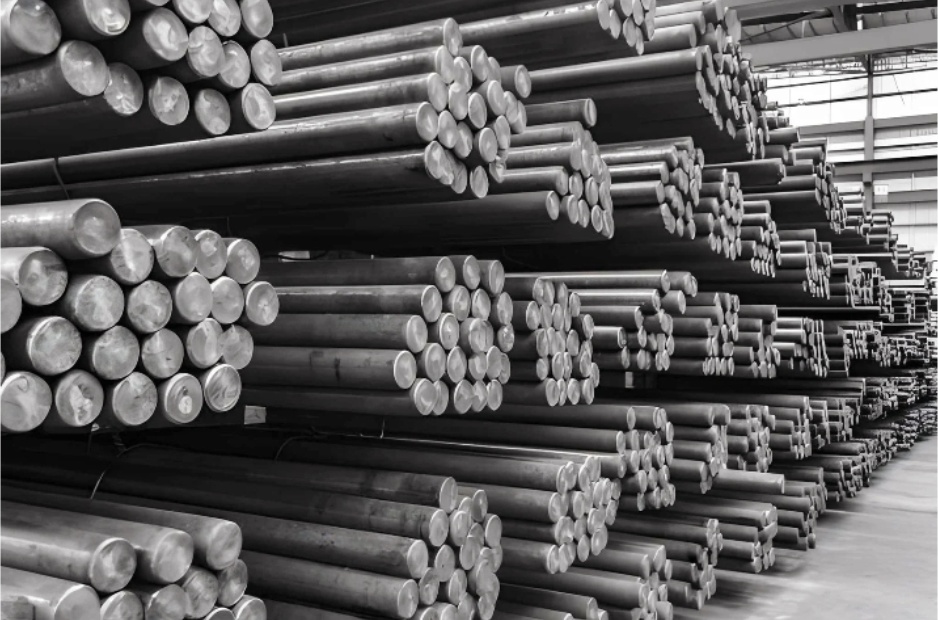

When aerospace manufacturer needed bracket withstanding 85,000 lb tensile load in 400°C environment with 50,000+ fatigue cycles, specifying “strongest metal” proved insufficient. Initial selection: high-tensile maraging steel (2,000 MPa tensile strength). Result: thermal degradation at operating temperature reducing strength 40%, premature failure at 12,000 cycles. Solution: Inconel 718 (1,375 MPa tensile strength but retains 90% strength at 400°C, superior fatigue resistance). Outcome: Part survived 180,000 cycles, 3.6× requirement.
This demonstrates critical insight: “strongest” varies by criteria—tensile strength (ultimate load), yield strength (permanent deformation), fatigue strength (cyclic loading), impact resistance (shock absorption), strength-to-weight ratio (aerospace/automotive), high-temperature strength (jet engines). Understanding how to choose the strongest metal for your project requires matching material properties to application requirements, not maximizing single property.
Defining Metal Strength: Critical Properties Comparison
| Strength Type | Definition | Measurement | Application Relevance |
|---|---|---|---|
| Tensile Strength | Maximum load before fracture | MPa (megapascals) | Ultimate load capacity |
| Yield Strength | Stress causing permanent deformation | MPa | Working load limit (safety factor applied) |
| Fatigue Strength | Stress sustainable through cyclic loading | MPa at N cycles | Rotating/vibrating components |
| Impact Strength | Energy absorption before fracture | Joules | Shock/impact applications |
| Hardness | Resistance to indentation/scratching | HRC (Rockwell C), HV (Vickers) | Wear resistance |
| Strength-to-Weight | Strength per unit density | MPa/(g/cm³) | Weight-critical applications |
Top 10 Strongest Metals: Comprehensive Ranking
| Rank | Metal/Alloy | Tensile Strength | Yield Strength | Density | Hardness | Cost ($/kg, Feb 2026) | Primary Applications |
|---|---|---|---|---|---|---|---|
| 1 | Tungsten Carbide | 2,400-3,000 MPa | 1,500-2,000 MPa | 15.6 g/cm³ | 88-92 HRC | $65-$120 | Cutting tools, drill bits, wear parts |
| 2 | Maraging Steel (Grade 300) | 1,900-2,400 MPa | 1,800-2,300 MPa | 8.1 g/cm³ | 50-55 HRC | $18-$35 | Aerospace tooling, missile casings, shafts |
| 3 | Inconel 718 | 1,375 MPa | 1,100 MPa | 8.2 g/cm³ | 40-45 HRC | $45-$85 | Jet engines, turbines, high-temp applications |
| 4 | Tungsten (Pure) | 1,510 MPa | 750 MPa | 19.3 g/cm³ | 400-420 HV | $55-$95 | Electrodes, radiation shielding, ballistics |
| 5 | Beryllium Copper (C17200) | 1,380 MPa | 1,200 MPa | 8.3 g/cm³ | 35-40 HRC | $28-$58 | Electrical contacts, springs, non-sparking tools |
| 6 | Titanium Ti-6Al-4V | 900-1,200 MPa | 830-1,100 MPa | 4.4 g/cm³ | 32-38 HRC | $28-$55 | Aerospace, medical implants, racing components |
| 7 | Tool Steel (D2, H13) | 1,000-1,500 MPa | 850-1,300 MPa | 7.8 g/cm³ | 58-64 HRC | $6-$15 | Cutting tools, dies, molds, punches |
| 8 | Stainless 17-4 PH | 1,310 MPa | 1,210 MPa | 7.8 g/cm³ | 38-44 HRC | $8-$18 | Aerospace fasteners, shafts, gears |
| 9 | Cobalt-Chrome (F75) | 900-1,200 MPa | 450-750 MPa | 8.3 g/cm³ | 35-40 HRC | $48-$95 | Medical implants, turbine blades, wear surfaces |
| 10 | Aluminum 7075-T6 | 570 MPa | 505 MPa | 2.8 g/cm³ | 150 HB | $4-$8 | Aerospace structures, automotive, sporting goods |
Ranking methodology: Weighted scoring across tensile strength (30%), yield strength (25%), fatigue resistance (20%), strength-to-weight ratio (15%), high-temperature retention (10%).
Strength-to-Weight Champions: Aerospace Applications
Strength-to-weight ratio critical when mass affects performance (aircraft fuel efficiency, automotive acceleration, robotics speed). Rankings change dramatically:
- Titanium Ti-6Al-4V: 273 MPa·cm³/g (highest practical strength-to-weight)
- Aluminum 7075-T6: 204 MPa·cm³/g (cost-effective aerospace standard)
- Beryllium Copper: 166 MPa·cm³/g
- Maraging Steel: 296 MPa·cm³/g (but 1.8× density vs titanium)
Case study: Racing bicycle frame material selection (2024)
- Carbon fiber: 1,600 MPa, 1.6 g/cm³ = 1,000 MPa·cm³/g (optimal but brittle)
- Titanium Ti-3Al-2.5V: 620 MPa, 4.5 g/cm³ = 138 MPa·cm³/g (durable, fatigue-resistant)
- Aluminum 7075-T6: 570 MPa, 2.8 g/cm³ = 204 MPa·cm³/g (cost-effective) Selection: Titanium for premium line (durability + ride quality), aluminum for value line (cost vs performance balance)
Material Selection Decision Framework
Choose strongest metal by application requirements:
High tensile load, static: Maraging steel, tungsten carbide (maximum ultimate strength)
High temperature (>400°C): Inconel, tungsten (strength retention at elevated temperature)
Cyclic/fatigue loading: Titanium alloys, spring steel (superior fatigue resistance vs ultimate tensile strength)
Corrosive environment: Stainless 17-4 PH, Inconel (strength + corrosion resistance combination)
Weight-critical: Titanium, aluminum 7075 (strength-to-weight optimization)
Wear resistance: Tungsten carbide, tool steel D2 (hardness + toughness)
Cost-sensitive: Tool steel, stainless steel (strength vs economic balance)
Electrical conductivity + strength: Beryllium copper (rare combination of properties)
Machining Challenges: Strongest Metals Are Hardest to Process
High-strength metals create manufacturing difficulties affecting cost and lead time:
Titanium Ti-6Al-4V machining:
- Cutting speed: 50-150 SFM (vs 400-800 SFM aluminum)
- Tool life: 15-25% of steel tool life
- Heat generation: Poor thermal conductivity concentrates heat at cutting edge
- Cost impact: 3-5× machining cost vs steel per part
Inconel 718 machining:
- Cutting speed: 20-80 SFM (extreme work hardening)
- Tool material: Carbide or ceramic required (HSS inadequate)
- Tool life: 10-20 parts typical before replacement
- Cost impact: 5-8× machining cost vs steel
Tungsten carbide:
- Machining: EDM or grinding only (conventional machining impossible)
- Processing cost: $120-$280/part typical for small components
This explains why expert machining for various metal alloys requires specialized equipment, tooling expertise, and process knowledge—general machine shops struggle with high-strength materials producing inconsistent quality and excessive costs. Companies like FastPreci specialize in difficult-to-machine high-strength alloys, combining advanced CNC equipment with material-specific tooling strategies and thermal management, delivering precision components in titanium, Inconel, and maraging steel where conventional machining approaches fail economically.
Common Material Selection Mistakes
Over-specifying strength: Specifying maraging steel (2,000 MPa, $25/kg) when 17-4 stainless (1,310 MPa, $12/kg) adequate wastes 52% material cost plus increased machining difficulty.
Ignoring fatigue: High tensile strength doesn’t guarantee fatigue resistance—maraging steel 2,000 MPa tensile but only 800-900 MPa fatigue strength vs titanium 1,100 MPa tensile with 600-700 MPa fatigue (better fatigue ratio).
Neglecting temperature effects: Room-temperature strength misleading for high-temp applications—steel loses 50% strength at 500°C while Inconel retains 85%.
Overlooking machinability impact: Choosing strongest material without considering 5-8× machining cost increase destroys project economics.
Forgetting corrosion: Maraging steel (2,000 MPa) corrodes rapidly in salt environments vs 17-4 PH (1,310 MPa) with excellent corrosion resistance—strength irrelevant if part dissolves.
Cost vs Performance Analysis
Material cost per MPa tensile strength (economic efficiency):
- Aluminum 7075: $7-$14 per 1,000 MPa (most economical)
- Tool steel: $6-$10 per 1,000 MPa
- Stainless 17-4: $6-$14 per 1,000 MPa
- Titanium Ti-6Al-4V: $23-$46 per 1,000 MPa
- Inconel 718: $33-$62 per 1,000 MPa
- Maraging steel: $9-$15 per 1,000 MPa (raw material economical, but machining costs high)
Total cost consideration includes: Material + machining + finishing + potential failure cost (inadequate material selection).
FAQs: Strongest Metals Selection
What is the strongest metal on Earth?
Tungsten carbide is strongest overall, but brittle; maraging steel strongest usable alloy; tungsten strongest pure metal.
Is titanium stronger than steel?
Titanium stronger than mild steel, but weaker than tool or maraging steels; excels in strength-to-weight ratio applications.
What is the hardest metal?
Tungsten carbide is hardest material; chromium hardest pure metal; tool steels balance hardness with toughness for industrial use.
What metal has highest tensile strength?
Maraging steel offers highest tensile strength among alloys; tungsten leads pure metals; tungsten carbide strongest but brittle composite.
What is the strongest lightweight metal?
Titanium alloy Ti-6Al-4V has best strength-to-weight ratio; aluminum 7075 offers cheaper lightweight alternative with good strength.
How to choose strongest metal for applications?
Match material to load, environment, weight, cost, machinability; choose titanium, steel, or Inconel based on application needs.
Strategic Material Selection for Engineering Success
Top 10 strongest metals ranking provides starting point, but optimal selection requires understanding how to choose the strongest metal for your project through requirements analysis matching tensile strength, yield strength, fatigue resistance, temperature capability, corrosion resistance, weight, machinability, and cost to application demands.
Tungsten carbide offers maximum hardness but machining limitations. Maraging steel provides extreme tensile strength but corrosion vulnerability. Titanium delivers optimal strength-to-weight but premium cost. Tool steel balances strength, hardness, economy. Selection wisdom: adequate strength at optimal total cost (material + processing + lifecycle) outperforms maximum strength creating manufacturing impossibility or economic failure.
What metal selection challenge is preventing confident material specification—strength type uncertainty, temperature requirements unclear, cost vs performance trade-off analysis, or machinability impact assessment?