
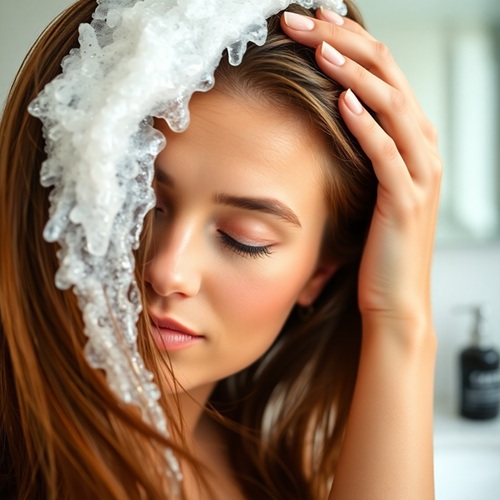

Healthy hair starts with a healthy scalp. However, for people with sensitive skin, maintaining scalp health can be frustrating and uncomfortable. Itching, redness, dryness, burning sensations, flakes, and irritation after washing are all common signs of a sensitive scalp. In many cases, the problem is not your hair itself — it is the products being used on the scalp.
Modern shampoos often contain harsh cleansing agents, synthetic fragrances, sulfates, and preservatives that may damage the scalp barrier and trigger irritation. This is why many people are now switching to shampoos specifically formulated for sensitive skin.
In 2026, scalp care has become one of the biggest trends in the beauty and haircare industry. Dermatologists and haircare experts increasingly emphasize that scalp health directly affects hair growth, hair strength, shine, and overall hair quality.
Choosing the right shampoo for sensitive skin can completely transform your haircare routine by:
-
reducing irritation
-
improving scalp hydration
-
protecting the scalp barrier
-
minimizing flakes and dryness
-
supporting healthier hair growth
In this guide, we will explain how sensitive scalp shampoos work, which ingredients to avoid, the best ingredients for scalp health, common haircare mistakes, and how to choose the best shampoo for your scalp type.
What Is a Sensitive Scalp?
A sensitive scalp is a condition where the scalp reacts more easily to certain ingredients, environmental triggers, or haircare products.
People with sensitive scalps may experience:
-
itching
-
burning sensations
-
redness
-
tightness
-
irritation
-
tenderness
-
dryness
-
flaky skin
Sensitive scalp reactions can happen because of:
-
harsh shampoos
-
synthetic fragrance
-
over-washing
-
scalp barrier damage
-
allergies
-
environmental stress
-
heat styling
-
chemical treatments
Some people naturally have more reactive skin, while others develop scalp sensitivity over time due to product overuse or irritation.
Why Scalp Health Matters for Hair Growth
The scalp is the foundation of healthy hair.
Hair follicles rely on a balanced scalp environment to:
-
grow properly
-
remain hydrated
-
stay protected from inflammation
When the scalp becomes irritated or damaged, it can contribute to:
-
excessive shedding
-
dryness
-
weak hair strands
-
inflammation
-
dandruff-like flakes
-
poor hair texture
A healthy scalp creates better conditions for stronger and healthier hair over time.
Sensitive Scalp vs Dry Scalp: Understanding the Difference
Many people confuse dry scalp with sensitive scalp, but they are not exactly the same.
Dry Scalp
Usually happens because the scalp lacks moisture and natural oils.
Symptoms may include:
-
small white flakes
-
tightness
-
rough skin
-
dryness
Sensitive Scalp
Involves irritation and reactivity.
Symptoms may include:
-
burning
-
itching
-
redness
-
discomfort
-
reactions to products
Some people can experience both conditions at the same time.
Understanding the difference helps you choose better haircare products and avoid worsening the problem.
Common Ingredients That Can Irritate Sensitive Scalps
One of the biggest causes of scalp irritation is harsh shampoo ingredients.
Many traditional shampoos contain aggressive cleansing agents designed to remove oil quickly, but these ingredients can damage the scalp barrier and trigger sensitivity.
Ingredients Sensitive Scalps Should Avoid
Sulfates (SLS/SLES)
Sulfates create heavy foam and deep cleansing effects, but they can strip away natural scalp oils and increase dryness.
Artificial Fragrances
Synthetic fragrance is one of the most common causes of skin irritation and allergic reactions.
Drying Alcohols
Some alcohol-based ingredients may leave the scalp feeling tight and dehydrated.
Harsh Preservatives
Certain preservatives may irritate highly sensitive skin.
Synthetic Dyes
Artificial colors provide no haircare benefit and may increase scalp sensitivity.
Many dermatologists recommend choosing fragrance-free and sulfate-free formulas for sensitive skin whenever possible.
Why Sulfate-Free Shampoo Matters
Sulfate-free shampoo has become increasingly popular because it cleans the hair more gently.
Traditional sulfates can:
-
remove protective oils
-
weaken the scalp barrier
-
increase frizz
-
worsen dryness
-
trigger irritation
Sulfate-free shampoos use milder cleansing agents that help maintain:
-
scalp hydration
-
natural oils
-
healthier hair texture
This is especially important for people with:
-
eczema
-
psoriasis
-
color-treated hair
-
curly hair
-
sensitive skin
Why Fragrance-Free Shampoo Is Better for Sensitive Skin
Fragrance is one of the most overlooked causes of scalp irritation.
Even shampoos labeled as “natural” may contain essential oils or fragrance blends that irritate sensitive skin.
Fragrance-free shampoos reduce the risk of:
-
itching
-
redness
-
allergic reactions
-
burning sensations
People with highly reactive skin often notice major improvements after switching to fragrance-free products.
Best Ingredients for Sensitive Scalp Health
Modern sensitive scalp shampoos contain ingredients designed to calm inflammation while protecting moisture balance.
Aloe Vera
Helps soothe irritation and hydrate the scalp.
Colloidal Oatmeal
Known for calming itchy and inflamed skin.
Chamomile
Provides soothing and anti-inflammatory properties.
Glycerin
Helps attract moisture and prevent dryness.
Ceramides
Support and strengthen the scalp barrier.
Niacinamide
Helps reduce inflammation and improve skin balance.
Coconut-Derived Cleansers
Provide gentler cleansing compared to harsh sulfates.
These ingredients help improve comfort while supporting long-term scalp health.
How Shampoo Affects Your Scalp Barrier
The scalp barrier is the protective outer layer of the skin that helps retain moisture and defend against irritation.
Harsh shampoos, excessive washing, and strong chemicals can damage this barrier.
When the scalp barrier becomes weakened, people may experience:
-
irritation
-
inflammation
-
dryness
-
flaking
-
increased sensitivity
A gentle pH-balanced shampoo helps protect the scalp barrier and maintain healthier skin conditions.
Common Signs You Need a Sensitive Scalp Shampoo
You may benefit from a sensitive scalp shampoo if you experience:
-
itching after washing
-
scalp tightness
-
redness
-
burning sensations
-
flakes without dandruff
-
irritation from fragrance
-
discomfort after styling products
These symptoms often indicate that your current products may be too harsh.
How Sensitive Scalp Shampoo Improves Hair Health
Using the right shampoo consistently can significantly improve overall hair condition.
Benefits may include:
-
reduced breakage
-
smoother texture
-
healthier shine
-
less frizz
-
improved moisture retention
-
healthier scalp environment
When the scalp becomes calmer and more balanced, hair follicles often function more effectively as well.
Common Haircare Mistakes That Worsen Sensitive Scalps
Many people unintentionally worsen scalp irritation through everyday habits.
Washing Hair Too Often
Over-washing strips away natural oils.
Using Very Hot Water
Hot water can increase dryness and irritation.
Scratching the Scalp
Aggressive scratching may damage the skin barrier.
Using Too Many Styling Products
Heavy sprays and gels can irritate sensitive skin.
Ignoring Ingredient Labels
Many shampoos marketed as “gentle” still contain irritating ingredients.
How Often Should You Wash Sensitive Hair?
There is no universal answer because hair types vary.
However, many people with sensitive scalps benefit from washing:
-
every 2–3 days
instead of: -
daily washing
Over-cleansing may increase irritation and dryness.
People with oily scalps may need a different routine than people with dry or curly hair.
Tips for Choosing the Best Shampoo for Sensitive Skin
Read Ingredient Labels Carefully
Look for:
-
sulfate-free formulas
-
fragrance-free products
-
soothing ingredients
Patch Test New Products
Apply a small amount before full use.
Choose pH-Balanced Products
Balanced formulas help protect scalp health.
Consider Your Hair Type
Curly, straight, oily, and dry hair all have different needs.
Avoid Overcomplicated Formulas
Simple ingredient lists are often better for sensitive skin.
Can Sensitive Scalp Shampoo Help With Hair Loss?
In some cases, yes.
Scalp inflammation and irritation can contribute to temporary hair shedding or weakened hair strands.
By improving scalp health and reducing irritation, sensitive scalp shampoos may help create healthier conditions for hair growth.
However, persistent hair loss should always be discussed with a dermatologist or medical professional.
The Growing Importance of Scalp Care in 2026
Modern haircare trends increasingly focus on scalp health rather than just cosmetic hair appearance.
Consumers are now paying more attention to:
-
scalp microbiome balance
-
barrier protection
-
gentle cleansing
-
ingredient transparency
-
fragrance sensitivity
As awareness grows, more brands are developing products specifically designed for sensitive skin and long-term scalp wellness.
FAQs
What causes a sensitive scalp?
Sensitive scalps can be caused by harsh ingredients, allergies, over-washing, fragrance sensitivity, environmental factors, or underlying skin conditions.
Is sulfate-free shampoo better for sensitive skin?
Yes. Sulfate-free shampoos are usually gentler and less likely to strip away natural oils or irritate the scalp.
Can shampoo cause scalp irritation?
Absolutely. Harsh chemicals, fragrances, and strong cleansers can trigger itching, redness, and discomfort.
How do I know if my shampoo is too harsh?
Common signs include:
-
tightness
-
itching
-
flakes
-
dryness
-
burning sensations after washing
Should people with sensitive scalps avoid fragrance completely?
Many dermatologists recommend fragrance-free products for highly sensitive skin because fragrance is a common irritant.
Final Thoughts
Switching to a shampoo formulated for sensitive skin can completely transform your haircare routine. Instead of constantly dealing with itching, dryness, irritation, and discomfort, the right shampoo can help restore balance, hydration, and long-term scalp health.
Modern haircare is no longer only about making hair look good — it is also about protecting the scalp barrier, using gentler ingredients, and supporting healthier skin overall.
By choosing sulfate-free, fragrance-free, and soothing formulas designed for sensitive scalps, you can create a healthier foundation for stronger, shinier, and more manageable hair in the long run.