
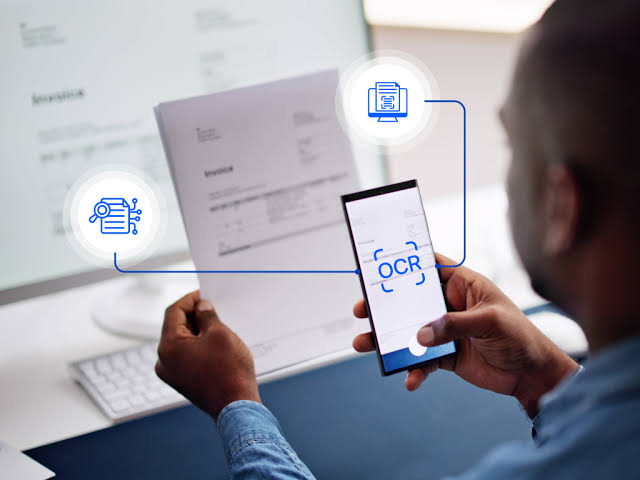

Optical Character Recognition (OCR) has become the backbone of digital transformation across industries. From automating invoice processing to digitizing healthcare records, an OCR program can dramatically improve efficiency, accuracy, and compliance. But not all OCR solutions are created equal.
So, what makes an OCR program effective? Let’s break down the key evaluation criteria that businesses should consider before investing.
Why Choosing the Right OCR Program Matters
A 2025 study on AI-enhanced OCR for financial documents reported extraction accuracy between 92% and 97%, even when handling challenging inputs like handwritten notes, damaged scans, or inconsistent formats. This demonstrates how modern OCR programs, powered by machine learning, significantly outperform traditional tools, especially in real-world financial workflows.The effectiveness of OCR goes beyond text recognition. A reliable OCR solution can:
- Reduce manual data entry errors.
- Improve compliance during audits and reporting.
- Handle multiple document formats, PDFs, images, and handwritten notes.
- Scale across global operations with multilingual support.
- Unlock business intelligence by converting unstructured data into actionable insights.
Key Evaluation Criteria for an Effective OCR Program
Choosing the right OCR program is not just about digitizing documents, it’s about ensuring accuracy, scalability, and seamless integration into business workflows. An effective program should reduce errors, improve compliance, and empower teams to work smarter, not harder. Below are the essential criteria that define a truly effective OCR solution:
- Accuracy and Reliability: Effective OCR must deliver near-human accuracy, even with poor-quality scans or handwritten text. Look for programs that use AI and deep learning to improve recognition rates over time.
- Multilingual and Script Support: Global businesses require recognition across multiple languages, from Latin-based scripts to complex scripts like Mandarin, Arabic, or Hindi. Modern OCR programs should support mixed-language documents seamlessly.
- Flexibility Across Formats: Documents don’t always come in clean, uniform formats. An OCR program should handle invoices, contracts, receipts, ID cards, shipping forms, and more, whether scanned, photographed, or emailed.
- Integration with Enterprise Systems: OCR should integrate smoothly with ERP, CRM, and AP systems. Effective programs don’t just capture data but route it directly into workflows for approvals, compliance checks, or analytics.
- Scalability and Performance: As document volumes grow, the OCR system should scale without performance drops. Cloud-based OCR programs are particularly effective for large enterprises with global teams.
- Security and Compliance: Sensitive financial and customer data must remain secure. Look for programs with enterprise-grade security certifications and compliance with GDPR, HIPAA, or SOC 2.
- Ease of Use: A user-friendly interface ensures adoption across teams. Non-technical users should be able to scan, process, and extract data without heavy IT support.
Common Challenges Without an Effective OCR Program
Without a reliable ocr program, businesses often struggle to keep pace with growing document volumes and complex workflows. Legacy systems or manual processes lead to higher error rates, slower turnaround times, and compliance risks. These challenges not only reduce efficiency but also increase costs and limit scalability, making automation with modern OCR a necessity for long-term success.
Key Challenges:
- High Error Rates: Manual data entry and outdated OCR tools often misread critical fields, leading to costly mistakes.
- Processing Delays: Approvals and reporting cycles slow down without fast, accurate document digitization.
- Compliance Risks: Errors in financial statements or regulatory filings can trigger penalties and audits.
- Hidden Costs: Rework, manual verification, and translation inflate operational expenses.
- Scalability Issues: As businesses grow, legacy OCR struggles with increasing volumes and multilingual data.
- Limited Insights: Unstructured or poorly captured data cannot be leveraged for analytics or decision-making.
Final Words
The effectiveness of an ocr program lies in its ability to deliver accuracy, flexibility, scalability, and compliance, all while seamlessly integrating into business workflows. As organizations deal with rising document volumes and multilingual complexity, investing in the right OCR program is no longer a back-office choice, it’s a competitive advantage.
The enterprises that choose wisely today will be the ones running faster, smarter, and more resilient operations tomorrow.