
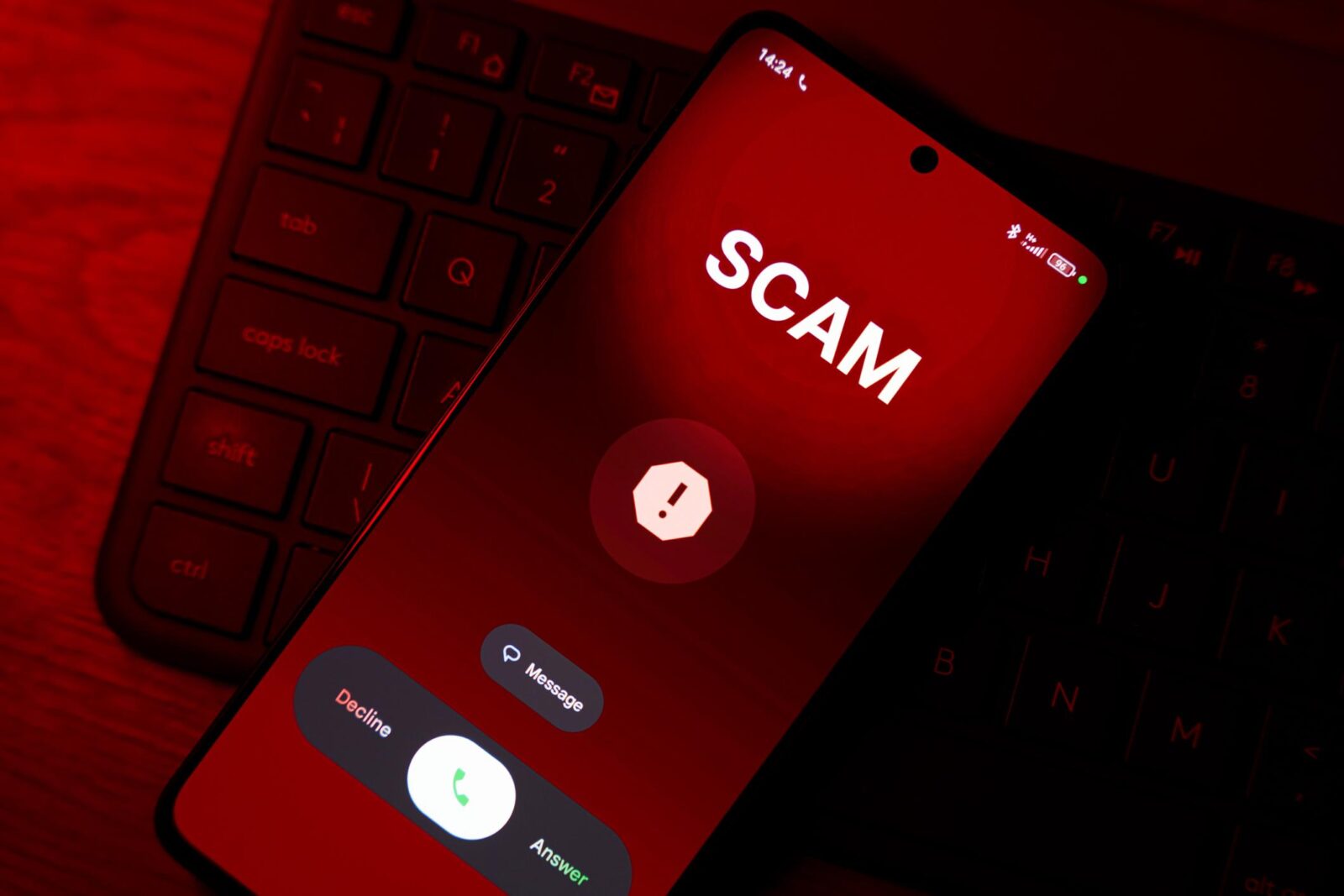

Missed call scams are a type of telephone fraud designed to persuade people to call back unfamiliar numbers. A phone may ring once or twice before disconnecting, leaving a missed-call notification that looks like it could be from a genuine person or business.
The tactic is often associated with Wangiri fraud, in which scammers use brief calls to encourage callbacks to numbers that may generate expensive charges. Other suspicious callbacks can connect you to fraudulent operators who attempt to collect personal information or persuade you to make payments.
Not every missed call from an unknown or international number is a scam. However, if you were not expecting the call, checking the number before returning it can help you avoid unnecessary charges and potential fraud.
What Is a Missed Call Scam?
A missed call scam occurs when someone deliberately places a brief call in the hope that the recipient will return it. The caller may disconnect before the phone is answered, leaving the recipient curious about who called and why.
Some scams use international or premium-rate numbers that can cost more to call than ordinary telephone numbers. The caller may earn revenue through arrangements associated with the number or service. Other schemes focus on getting people to speak to a fraudster, reveal information, or follow further instructions.
Wangiri is a term commonly used for the one-ring callback scam. The name comes from Japanese and is generally translated as “one ring and cut.”
The main risks depend on what happens when you return the call. You might incur unexpected call charges, reach a deceptive service, or be targeted by further social-engineering attempts.
How Do Missed Call Scams Work?
Although the details vary, a missed call scam often follows a straightforward pattern.
1. Scammers Place Brief Calls
Fraudsters may use automated dialling systems to contact large numbers of telephone users. The phone rings briefly, and the call ends before the recipient answers.
The number appears in the recipient’s call history as a missed call.
2. The Recipient Becomes Curious
People naturally want to know who contacted them. They may assume the call came from a friend, delivery driver, employer, customer, or someone trying to reach them urgently.
Scammers exploit this uncertainty to encourage a callback.
3. The Recipient Calls the Number Back
When the recipient returns the call, they may reach an international number, a premium-rate service, an automated recording, or a person attempting to deceive them.
The displayed number alone does not reliably establish who is behind the call.
4. The Call May Generate Charges or Lead to Further Fraud
If the callback connects to a costly service, charges may accumulate while the recipient remains connected. An automated recording or operator may encourage the person to wait, follow instructions, or continue the conversation.
In other cases, the caller may try to obtain personal details or persuade the recipient to take another action.
5. The Scammer May Attempt Further Contact
Some fraudulent operations may reuse numbers or contact people again. Returning a suspicious call can also reveal that a number is active, potentially making it more attractive for future unwanted contact.
However, calling back once does not automatically mean your identity has been stolen or your phone has been hacked. The immediate concern is the cost and nature of the call, followed by any information you disclosed or actions you took.
Why Do Missed Call Scams Use International Numbers?
Some Wangiri scams use unfamiliar international numbers because recipients may not recognise the country code or understand the cost of returning the call.
For example, someone might see a missed call from a country they have no personal or business connection with and assume it could be important. Others may return the call because they have relatives, customers, or colleagues overseas.
International numbers are not inherently suspicious. Legitimate people and organisations make international calls every day.
Before calling back, consider these questions:
- Were you expecting a call from that country?
- Do you recognise the person or organisation?
- Did the caller leave a voicemail explaining why they called?
- Can you verify the number through an independent source?
- Could returning the call involve international or premium-rate charges?
If the call is unexpected and you cannot verify its purpose, there is usually no need to call back immediately.
Warning Signs of a Missed Call Scam
Several patterns may indicate that a missed call deserves extra caution.
The Phone Rings Only Briefly
A call that ends after one ring or a few seconds may be intended to prompt a callback. This pattern is associated with Wangiri scams, although a brief call can also happen accidentally or because of network problems.
The Number Is Unfamiliar
Be cautious when a number is unfamiliar, especially if it has an unexpected international country code or a prefix associated with higher call charges.
In the UK, Ofcom advises consumers to be particularly careful with unfamiliar numbers beginning with 070, 076, 084, 087, 090, 091, or 118. The cost depends on the number and service, so check the applicable rates rather than assuming all numbers in a range cost the same.
No Voicemail Is Left
A missed call with no message can make it difficult to establish whether the caller had a legitimate reason to contact you. This is not proof of fraud, but it is a reason to verify the number before calling back.
You Receive Repeated Calls From Similar Numbers
Repeated short calls, especially from changing or similar-looking numbers, may be an attempt to encourage a callback.
Avoid assuming that a new number is trustworthy simply because it differs slightly from the previous one.
The Callback Leads to an Unusual Recording
A recording may claim you have won a prize, ask you to press a key, or encourage you to stay on the line. If the message is unexpected or makes suspicious promises, end the call rather than following its instructions.
The Caller Requests Personal Information or Money
If someone asks for passwords, verification codes, banking information, or an unexpected payment, treat the request as suspicious. End the conversation and verify any claim through the organisation’s official contact details.
What Are the Risks of Calling Back a Missed Call?
The consequences depend on the number you call and the interaction that follows.
Unexpected Phone Charges
The most direct risk in a Wangiri scam is being charged for a callback to a premium-rate or otherwise expensive number.
Charges can vary according to your mobile provider, tariff, destination, and the type of number called. Some calls may cost little, while others may be substantially more expensive than a standard call.
If you are unsure about the cost, check your provider’s international and premium-rate calling information before returning the call.
Social-Engineering Attempts
A callback may connect you to someone who pretends to represent a bank, telecom provider, government agency, or other trusted organisation.
The person might ask you to confirm personal details, disclose a verification code, or make a payment. The aim is to persuade you to reveal information or take an action that benefits the fraudster.
Follow-Up Scam Attempts
A suspicious call can lead to additional contact attempts, although this is not guaranteed. Fraudsters may use different numbers or approaches to try to establish trust.
Do not provide extra information simply because a caller already knows your name or telephone number.
Potential Privacy Concerns
Calling back may confirm that your number is active. That information alone does not give someone access to your phone or accounts, but it may contribute to unwanted future calls.
The more serious privacy risks usually arise when you disclose sensitive information, follow malicious instructions, or grant access to an account or device.
How to Protect Yourself From Missed Call Scams
A few simple precautions can significantly reduce the risk of costly or fraudulent callbacks.
Do Not Automatically Return Unknown Calls
If you do not recognise the number and were not expecting a call, wait before taking action. You do not need to return every missed call.
If the caller has a legitimate reason to contact you, they may leave a voicemail, send an identifiable message, or try again.
Search the Number Before Calling Back
Search the complete number online to see whether other people have reported suspicious activity associated with it.
Use more than one reliable source where possible. User-submitted number-reporting websites can be helpful, but their information may be incomplete or incorrect. A number that has no online complaints is not necessarily safe.
Verify the Caller Through an Official Channel
If you suspect the call may be from a bank, delivery company, business, or government department, find its contact details independently.
Use the organisation’s official website, a trusted app, or a telephone number you already know. Do not rely solely on the number shown in the missed-call notification.
Check International and Premium-Rate Call Costs
Before making an international call, review your mobile tariff and the provider’s charges for the destination and number type.
If you do not need to make premium-rate calls, ask your provider whether a suitable restriction is available. Blocking premium-rate services does not necessarily prevent every expensive international call.
Use Your Phone’s Spam-Protection Features
Many phones and mobile networks offer caller identification, spam warnings, call screening, and number-blocking options.
These features may reduce unwanted calls, but they are not perfect. Scammers can change numbers or manipulate caller ID information, so continue to verify unusual requests independently.
Keep Personal and Financial Information Private
Never disclose passwords, PINs, or one-time verification codes to someone who contacts you unexpectedly.
If a callback leads to a conversation about an account problem or payment, end the call and contact the relevant organisation independently.
Explain the Risks to Family Members
Make sure family members understand that an unknown missed call does not always need a callback. Explain how to check numbers, identify suspicious payment requests, and contact trusted organisations.
Older adults should not be assumed to be the only people at risk. Anyone with a telephone can receive a suspicious call, and scam prevention is useful for people of all ages.
What Should You Do If You Already Called Back?
If you returned a missed call and later became concerned, do not panic. The next steps depend on whether the call connected, how long it lasted, whether you incurred charges, and what happened during the conversation.
1. End the Call if It Is Still Connected
If you suspect the number is fraudulent or the recording seems suspicious, hang up. Do not remain on the line out of curiosity, press keypad options, or follow instructions that you cannot verify.
2. Check Your Phone Bill or Account
Review your call history and any available usage or billing information. Look for unexpected international or premium-rate charges.
Some charges may not appear immediately, so check your next bill if necessary.
3. Contact Your Mobile Provider
If you believe you have incurred suspicious charges, contact your mobile provider using its official customer-service channel.
Ask the provider to explain the charges, investigate the number if possible, and advise whether call restrictions or blocking options are available. Explain the circumstances clearly if you wish to dispute a charge.
4. Secure Your Accounts if You Shared Information
If you disclosed a password, banking detail, or verification code during the callback, take action based on what was exposed.
Change compromised passwords, contact your bank if financial information or transactions are involved, and review your accounts for suspicious activity.
If you only returned the call and did not share information or follow instructions, you generally do not need to change every password simply because you made the call.
5. Report the Suspicious Call
Report the incident through the appropriate official service in your country. Include the number, date, time, any messages, and details of suspicious charges or requests.
Reporting can help the relevant authorities and providers identify patterns of fraudulent activity.
How to Report Missed Call Scams in the UK
If you are in the United Kingdom, these official resources can help:
- Ofcom: Read its advice on missed calls and scam communications. Ofcom recommends thinking carefully before returning unfamiliar calls and contacting your provider if you suspect you have been charged.
- Report Fraud: Visit Report Fraud for guidance on reporting fraud in England, Wales, and Northern Ireland.
- Mobile provider: Contact your network if you have unexpected charges, need help blocking calls, or want to report a suspicious number.
- Police Scotland: If you are in Scotland, follow the relevant guidance from Police Scotland for reporting suspected fraud.
For suspicious mobile calls or messages, follow the current instructions from Ofcom and your provider. Reporting options can differ depending on the type of call and where you live.
How to Report Suspicious Calls in India
If you are in India, you can use official government services to report suspicious communications or financial fraud.
- Chakshu: Use the Sanchar Saathi portal to report suspected fraudulent communications received through calls, SMS, or WhatsApp, in accordance with the service’s current instructions.
- Financial cyber fraud: If you have lost money or discovered an unauthorised financial transaction, call 1930 promptly and submit a complaint through the National Cyber Crime Reporting Portal.
- Your telecom provider: Contact your mobile operator about suspicious calls, unexpected charges, or available call-blocking services.
Chakshu is intended for reporting suspected fraudulent communications. If you have already become a victim of financial cybercrime, use the dedicated financial-fraud reporting channels as well.
Frequently Asked Questions About Missed Call Scams
What is a Wangiri scam?
A Wangiri scam is a type of missed call fraud in which a caller rings briefly and disconnects, hoping the recipient will call back. The callback may connect to a premium-rate service or another costly number.
Can you get charged for calling back a missed call?
Yes. If you return a call to a premium-rate number or a number with expensive international charges, you may incur costs. The amount depends on your provider, tariff, destination, and the type of number.
Is every missed call from an international number a scam?
No. International calls can come from genuine contacts, businesses, and service providers. Be cautious if you were not expecting the call, and verify the number independently before returning it.
Can a missed call scam hack your phone?
Simply returning a phone call does not ordinarily give someone control of your device. The more common risks are unexpected charges and attempts to deceive you into sharing information, making payments, or following unsafe instructions.
Should I block a suspicious missed-call number?
Blocking the number can help prevent further calls from that specific number. However, scammers may use different numbers, so blocking should be combined with verification and other protective measures.
What if I called back but did not share any personal information?
Check whether the call incurred charges and contact your provider if anything looks unusual. If you did not disclose sensitive information, install software, or follow suspicious instructions, there may be no further action required beyond monitoring your account and avoiding another callback.
How can I tell whether a missed call is genuine?
There is no single sign that reliably proves a missed call is genuine. Check whether you were expecting the contact, look for a voicemail, search the number, and verify the caller through an official source before returning the call.
Final Thoughts
Missed call scams exploit curiosity and uncertainty to encourage people to return unfamiliar calls. In some cases, the callback can lead to unexpected charges; in others, it may create an opportunity for further deception.
The safest approach is simple: pause before calling back, verify unfamiliar numbers, and check your phone bill if you suspect a costly call. If you have shared financial information or lost money, contact your bank or mobile provider and report the incident promptly.
A missed call is not automatically dangerous, but taking a moment to check it can help protect your money and personal information.