
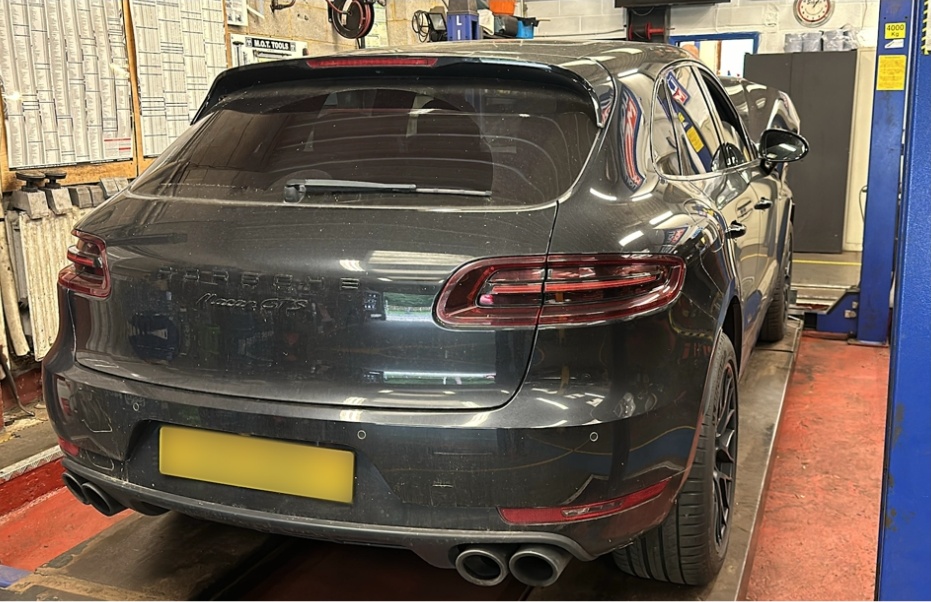

Think Your Car is Ready for Its MOT? Think Again!
You’ve marked the MOT date on your calendar, but is your car truly ready to pass? In the UK, many drivers are caught off guard by hidden issues that can lead to an MOT failure. The good news? Most of these problems are easy to spot, and even easier to fix, if you know what to look for.
In this blog, we’ll walk through 8 crucial warning signs that could make your vehicle fail its next MOT, along with a few commonly overlooked issues. Spotting these early can save you time, money, and stress so that you can approach your MOT with confidence.
1. Dashboard Warning Lights
Modern cars are equipped with sophisticated systems that monitor everything from engine performance to braking. If a warning light stays illuminated on your dashboard, it’s a red flag for MOT failure.
- The engine management light usually indicates issues with the engine, fuel system, or emissions, which can affect MOT results.
- The ABS warning light signals a potential fault in the anti-lock braking system, a common reason for MOT failure.
- The airbag or SRS light highlights problems with your safety systems, and a persistent warning can lead to an automatic MOT fail.
- The Tyre Pressure Monitoring System (TPMS) light must function correctly on modern vehicles to meet MOT requirements.
If you see warning lights, don’t ignore them. Get a diagnostic check done before your MOT to avoid an automatic fail.
2. Tyre Problems
Some people believe that a tyre cannot be the reason behind an MOT failure. But that’s not true, just like they play an essential role in the car, they are also a common reason your vehicle fails its MOT Test.
- Tread depth must be at least 1.6mm across the central three-quarters of the tyre. Anything less is illegal.
- Uneven wear may indicate wheel alignment, suspension, or tyre pressure issues.
- Visible damage, such as bulges, deep cuts, or exposed cords, will cause a failure.
- Tyre pressure must be within safe levels, and TPMS systems must be working correctly.
Regularly check your tyres with a tread depth gauge and keep them inflated to the recommended levels.
3. Brake Issues
Your braking system is vital for safety, so any signs of weakness will almost certainly lead to a failed MOT.
Warning signs include:
- Squealing or grinding noises when braking (worn pads/discs).
- Spongy or unresponsive brake pedal.
- The handbrake doesn’t hold the car properly.
- Brake fluid leaks around the wheels or under the vehicle.
Because brakes wear gradually, many drivers don’t notice problems until it’s too late. If in doubt, get them checked before your MOT date.
4. Exhaust & Emissions
Excessive exhaust emissions are another major reason for MOT failures, especially for diesel vehicles.
Common issues include:
- Excessive smoke
- Loud exhaust noise from leaks or a damaged silencer.
- High emissions were detected during the MOT emissions test.
- DPF (Diesel Particulate Filter) problems, a blocked or removed DPF will cause an instant fail.
If you notice unusual smoke or noise, it’s worth booking an exhaust and emissions check before your MOT.
5. Lights & Electricals
Faulty lights are one of the top reasons cars fail MOTs, yet they’re also one of the easiest things to fix yourself.
- Headlights must work on both dipped and full beam.
- Brake lights, indicators, and hazard lights must be fully functional.
- Number plate lights must illuminate the plate clearly.
- Headlights must be appropriately aligned to avoid dazzling other drivers.
- The horn must work correctly.
Before your MOT, do a quick walk-around with a friend or family member and test all lights.
6. Windscreen, Wipers & Visibility
Clear vision is a legal requirement. If your view is obstructed, expect an MOT fail.
- Chips or cracks larger than 10mm in the driver’s line of vision (or 40mm elsewhere) will fail.
- Wiper blades must clear the windscreen effectively without smearing or skipping.
- Screen wash must be topped up.
- Mirrors must be secure and free from significant damage.
- Stickers, dashcams, or sat navs placed in the wrong spot may also cause a fail.
A simple replacement of wiper blades or a windscreen repair can save you a fail here.
7. Bodywork, Rust & Structure
Cosmetic scratches aren’t an issue, but anything that compromises safety is.
- Rust or corrosion near suspension mounts, brake lines, or seatbelt anchor points is a severe failure.
- Sharp edges or loose body panels that could injure pedestrians or cyclists will fail.
- Fluid leaks (oil, fuel, coolant, brake fluid) are also grounds for failure.
Check underneath your car for rust, and keep an eye out for leaks where you usually park.
8. Suspension & Steering
Worn suspension and steering components affect how your car handles, and they’re a common MOT failure category.
Warning signs include:
- Clunks, rattles, or knocking noises when going over bumps.
- The car pulls to one side when driving.
- Leaking shock absorbers.
- Excessive play in the steering wheel.
Suspension issues may not always be obvious, so if your car feels unstable, it’s worth getting it checked before the test.
Other Common MOT Failure Points
While the 8 signs above cover most cases, here are a few extra areas drivers often overlook:
- Number plate issues include cracks, fading, and incorrect font and spacing.
- Seatbelts that are frayed or malfunctioning.
- Fluid leaks, particularly brake fluid.
- Loose or missing parts, for example, fuel caps.
These small details might seem minor, but they can lead to failure just as easily.
How to Avoid MOT Failure
An MOT test is designed to make sure your car is safe and roadworthy. Many MOT failures occur due to minor issues that could have been prevented through regular servicing. Here are some tips to avoid failing your MOT:
- Check your lights: Faulty bulbs are one of the most common reasons for failure. Test your headlights, brake lights, and indicators regularly.
- Inspect tyres: Ensure tyres have at least 1.6mm tread depth and no visible damage.
- Test brakes: If they feel spongy, make noises, or pull to one side, get them checked before the MOT.
- Top up fluids: Brake fluid, engine oil, and screen wash should all be at the correct levels.
- Check windscreen and wipers: Cracks, chips, or worn-out wipers can cause a fail.
- Secure seatbelts: Make sure they are not frayed and retract properly.
- Look for warning lights: If any are on, book a diagnostic check before the MOT.
By addressing these small but essential checks, you can dramatically reduce the risk of MOT failure and avoid costly retests.
For extra peace of mind, consider a pre-MOT inspection from Gforce Tyres. Their experienced technicians perform a full check of your vehicle, helping drivers book their MOT in Aldershot with confidence. This can save time, stress, and costly retests. Also, if you’re looking for an MOT near Farnham, Farnborough, or Ash Vale, you can visit Gforce Tyres Aldershot for trusted testing and servicing.
Conclusion
Failing your MOT can be stressful, inconvenient, and costly, but it doesn’t have to be. By watching out for these 8 warning signs (and a few extra checks), you can catch issues before they become significant problems.
Regular maintenance and early booking also give you enough time to fix any problems without losing valuable days on your MOT certificate.
Don’t leave it to chance, book your MOT test early and consider a pre-MOT inspection for peace of mind.
Don’t leave it to chance, book your MOT test early and consider a pre-MOT inspection for peace of mind or visit our Aldershot service centre and let our team handle the rest.